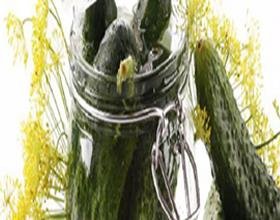
In Albanian families, pickles are often not missing. September is the best month to prepare them, as in September the weather cools down and the temperature drops, so pickles are better preserved. It is not advisable to prepare pickles during the summer since high temperatures can cause vegetable fermentation and the development of pathogenic microbes. Pickles can be used as an appetizer (to reduce appetite) or as a side dish with other dishes. What is Lactic Fermentation? Historically, fermented foods have played an important role in the diets of every society worldwide. Most people think of beer or wine when they hear the term fermentation. While certain yeasts have been used to convert sugars into alcohol, bacteria are responsible for this process. "Lacto" refers to a specific species of bacteria, namely Lactobacillus. Lactic acid is a natural preservative that prevents the growth of harmful bacteria. This phenomenon allows people to store food for extended periods of time. Lactic acid also promotes the growth of healthy bacteria in the intestinal tract. This is why fermented foods are considered probiotic foods. (probiotic means "for life") Beyond the advantages of preservation, lacto-fermentation also increases vitamin and enzyme levels, as well as food digestibility. Additionally, lactobacillus organisms produce antibiotic and anticarcinogenic substances that can contribute to good health. Lacto-fermentation is truly more art than science. The scientific part is simple: lactobacillus (from a prepared culture, fresh brine) plus sugar, plus a little salt, minus oxygen (anaerobic process), plus time, equal to lactic acid fermentation. The duration of fermentation can vary from a few hours to two months or more. The room temperature where fermentation takes place will determine the duration of fermentation. The ideal temperature is around 22° C, but warm or cold temperatures will continue to work. The flavor depends greatly on the duration of fermentation. Just keep in mind that too much oxygen should not be allowed during the fermentation process because this increases the chance of spoilage. Lacto fermentation is generally done in an airtight container. If you have a reliable recipe to follow, you can make small adjustments when you deem it appropriate. The important thing is not to be afraid of lacto fermentation. Fermentation not only preserves food but also increases the nutrient content. The action of culture organisms makes minerals in foods more readily available to the body. During the fermentation process, bacteria also produce B vitamins and enzymes that are beneficial for digestion.