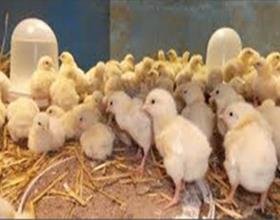
Meat bird breeds are hybrids that have fast growth, large body mass, and good meat quality. For this reason, the nutritional needs are much greater than those for raising birds of other breeds, such as guidebirds for eggs.
The reason for feeding birds meat with the highest quality food is to achieve the maximum daily weight, a good quality of demand so that weight gain can be done in the shortest possible time.
Before we start raising birds for meat, we need to determine the type or kind of brooder as well as its characteristics.
Usually, the market demands birds for meat with smaller, medium, and heavier weight. The table below also shows the age and weight achieved.
|
The type of broylers |
Delivery age (days) |
Average live weight gr |
|
Very small brooders |
25-30 |
900 |
|
Small |
35-40 |
1400 |
|
Secondary |
47-49 |
1800 |
|
Normal |
54 |
2200 |
Depending on the type of birds for meat or broody birds that we define for breeding, the duration of their keeping or rearing also varies, from 4 weeks for very small ones sold on the full market, up to 9 - 10 weeks for heavy ones sold in parts, according to market demand, such as white meat.
Broyers' nutrient requirements
|
NUTRIENTS |
Phase one: Starter |
Second Phase: Finisher |
|
Soluble proteins % |
20-24 |
15-16 |
|
Metabolic energy, KJ |
13.000 |
13.400 |
|
Soluble cellulose % |
3,5 |
3,5 |
|
Soluble fat % |
4,0 |
4,0 |
|
Energy: Protein Ratio |
550-650 |
640-700 |
|
MACROELEMENTS |
|
|
|
Calcium % |
1,0-1,1 |
0.9-1.1 |
|
Usable phosphorus % |
0.55 |
0.5 |
|
AMINO ACIDS |
|
|
|
Methionine % |
0.48 |
0.42 |
|
Methionine + cystine, % |
0.85 |
0.75 |
|
Lysine % |
1.15 |
1.00 |
|
tryptophan |
0.23 |
0.20 |
|
VITAMINS: per kilogram of food |
|
|
|
Vitamin A, Unit I. |
10.000 |
10.000 |
|
Vitamin D-3, Unit I. |
2.000 |
2.000 |
2. The second or final phase – the food used in this phase is called "Finisher," and this food has a higher energy value while a lower protein value is around 18%. This phase lasts until the end or until the slaughter of the broyers, but for the sake of meat quality, this phase can be divided into two periods and concentrated food such as "Finisher II" is also used. This food usually consists of grains, especially yellow corn, which gives the meat its yellow color and makes it desirable for consumers.
"Finisher II" must not contain foods with animal content because this can affect the undesirable smell of p.sh meat. The smell of fish, and the protein requirements are met with oily grains such as soy, sunflower, etc.
|
RAW MATERIALS, % |
START |
FINISHER I |
FINISHER II |
|
Whole corn |
48 |
52 |
48 |
|
Wheat grain |
5 |
8 |
15.5 |
|
Soybean bran |
28.7 |
23.4 |
20.6 |
|
Sunflower Grapes |
0 |
0 |
7.4 |
|
Fish meal |
6 |
5 |
0 |
|
Technical fat |
4 |
4 |
3 |
|
Alfalfa flour |
2 |
2 |
2 |
|
Beer grain |
3 |
2 |
0 |
|
chalk |
1.1 |
0.8 |
0.8 |
|
phosphate dicalcium |
2 |
2 |
1.5 |
|
Table salt |
0.2 |
0.2 |
0.2 |
|
premix |
1 |
1 |
1 |
|
In total: |
100 |
100 |
100 |
Today, various antibiotics are added to bird rations that help better break down the food, along with different stimulants, foods to achieve the desired meat color, vitamins that help reduce stress, and so on.
The approximate amount of food that birds can consume depending on their age
|
Age (weeks) |
Amount of food gr/head/day |
Age (weeks) |
Amount of food gr/head/day |
|
1 |
14 |
5 |
70 |
|
2 |
24.5 |
6 |
90 |
|
3 |
43 |
7 |
110 |
|
4 |
57 |
8 |
128 |
The feeding method of fattening birds – boilers
The form of feed delivery varies depending on the farmer's conditions, for example: feeding feed in either pelleted or pelleted form, and the size of pelleted feed varies depending on the age of the birds.
Available in: SHQ, ENG, SRB