
Soil preparation
The plots planned for the cultivation of medicinal and aromatic plants must be of good quality, with medium to high levels of nutrients, meaning those plots that are loose, well-ventilated and drained, and have sufficient moisture. The plot where the cultivation of MAP is planned must be free from the use and application of pesticides and mineral fertilizers, in accordance with organic cultivation rules. The agrotechnical measures that must be carried out on the plot to achieve success in cultivating medicinal and aromatic plants are:
- Cultivation, to a depth of (30-50) cm.
- Displacement – dislocation, (20-25) cm.
- Disking, tilling, as well as cultivation, these measures are carried out before sowing the seed or planting the seedling with the aim of loosening, partial turning, soil mixing, as well as cutting weeds.
The planting of medicinal and aromatic plants can be: from seeds, as well as from seedlings. The nursery material used for planting, whether seed or seedling, must have:
- High quality, which would positively affect seed germination, respectively seedling growth.
- Planting material must be sourced from licensed producers.
- The seedling material must be accompanied by documentation proving its quality and origin.
Oregano (Origanum vulgaris)
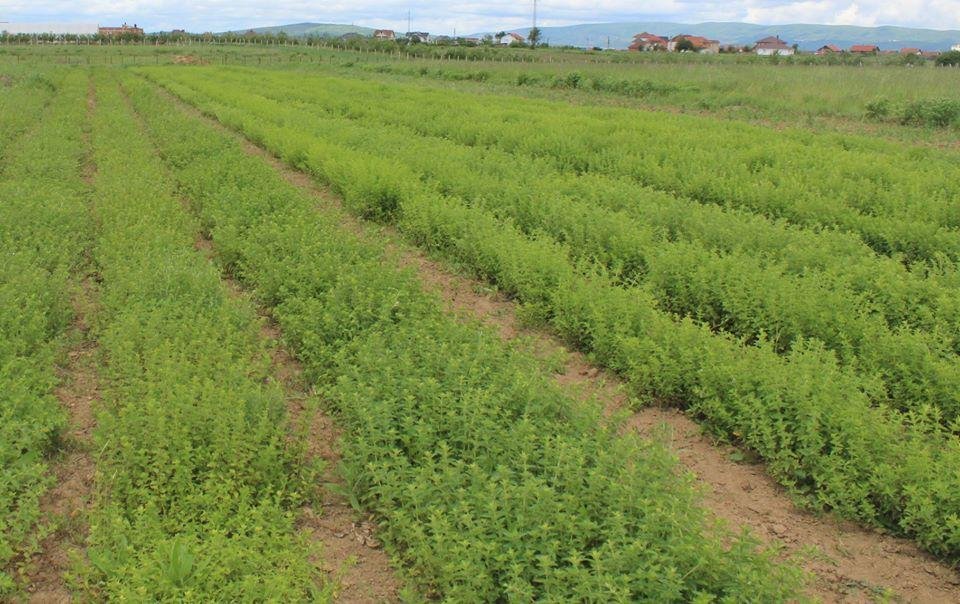
For cultivating oregano, it is preferable to first sow the seeds in modules and then plant them in their permanent plot, after late spring frosts when the constant soil temperature reaches above 15 °C. For the production of 1,000 plants per module, 1 g/m² is used. In seedling cultivation, seeds uniformly germinate continuously for 10 - 15 days under controlled conditions of moisture, temperature, light, and soil. Seedling planting can be done in autumn and spring. The recommended spacing for oregano cultivation is (80x25)cm. About 10,000 seedlings are needed for 0.20 ha.Peppermint (Mentha pepperrita)
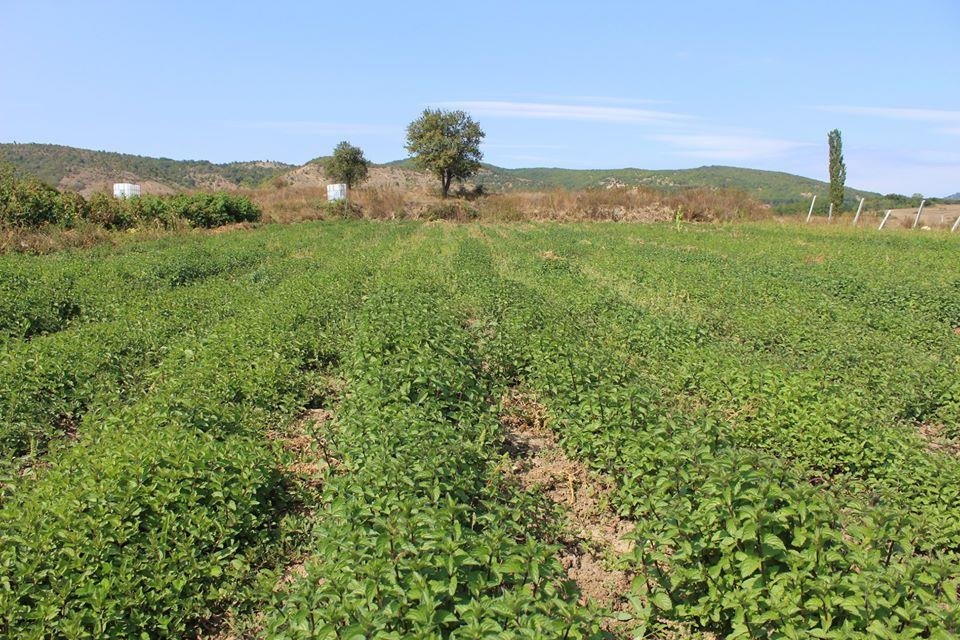
Mint does not produce capable seeds that carry the genetic continuity of propagation, so propagation is done vegetatively, that is, with pieces and stolons. The most economical method is propagation using stolons, which are taken from a plot with one-year-old mint. The ratio of white stolons (stolons underground) should be 80% and green ones (above ground) 20%. The moisture content of the stolons should be around 80%. Stolons intended for planting are collected after the second harvest. The planting distance is (80x25) cm.
Nettle (Urtica dioica)
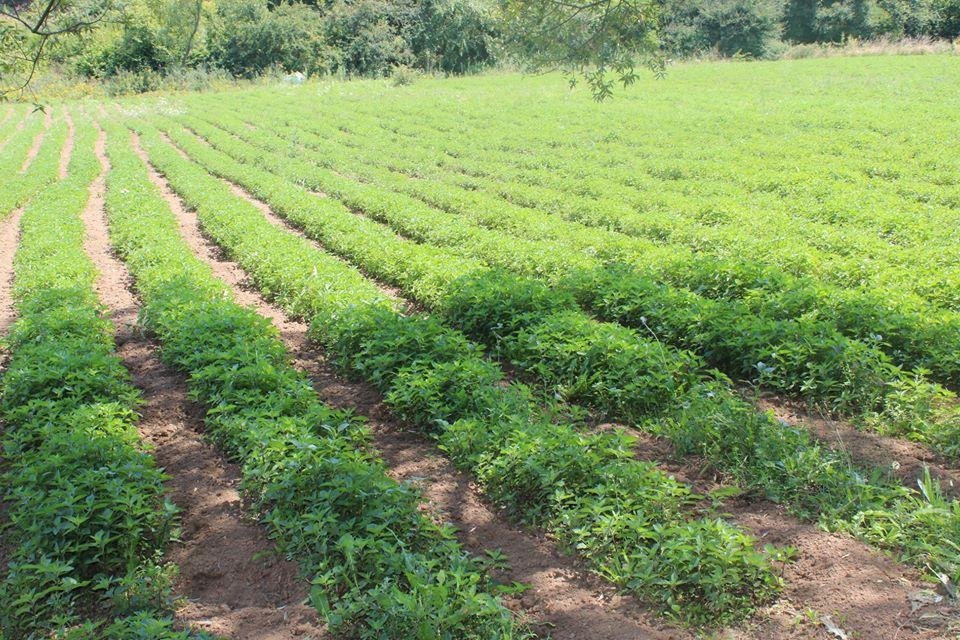
Nettle is sown through seeds and seedlings. Because the seeds are very small, propagation from seedlings in beds is recommended. Seeds are sown during the April-May period, and seedlings are transplanted in autumn or even spring. Direct sowing of seeds in the field requires a seed rate of 3-4 kg/ha. Root sowing should be done in autumn or early spring, in furrows 7-10 cm deep with a distance between rows of 80-90 cm and a distance between plants of 25-30 cm.
Melissa (Melissa officinalis)
Melissa is sown directly by seed in October-November, with a spacing of 80-90 cm between rows, and a seed rate of 8-10 kg/ha. Seedling planting is done in spring. Planting with root division or rhizomes is done very rarely and is not practiced often.
Lavender (Lavandula angustifolia)
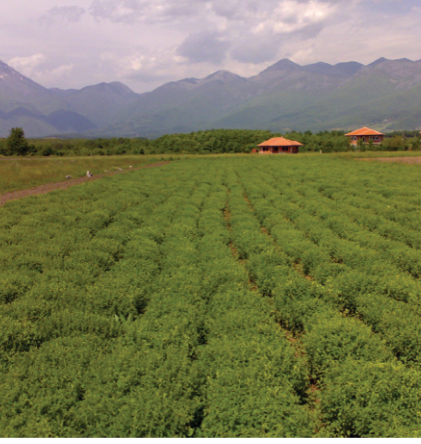
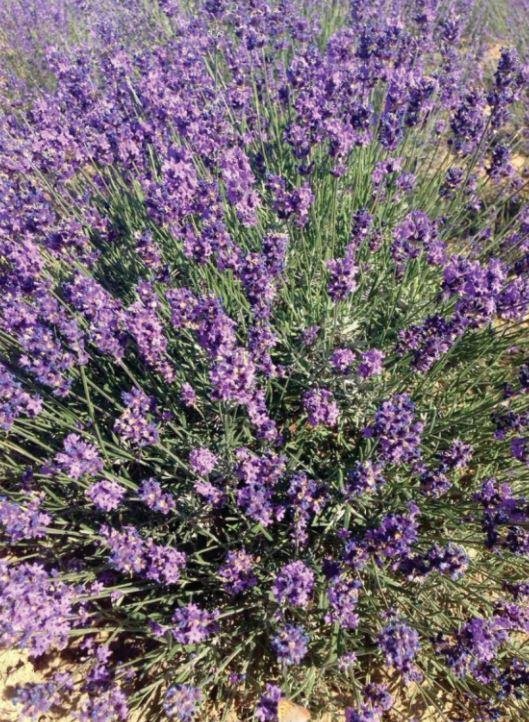
Direct sowing is not preferred because the seeds are characterized by poor germination. Modern lavender cultivation techniques involve propagation by green cuttings. The best results have been shown by cuttings taken from 2-3 year-old mother plants. These cuttings are taken in autumn or early spring from the mother plants. Planting distances are preferably 80-90cm between rows and 20-25cm between plants
Available in: SHQ, ENG, SRB