
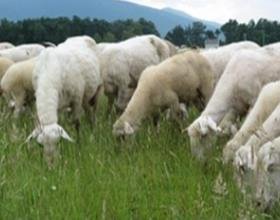
FEEDING LAMBS
Feeding and managing lambs is one of the most important stages in the sheep production cycle. The type or method of feeding depends on many factors, including: market demands for lamb meat, the production system, and the types of food we have available. Thus, the genetic characteristics of the herd, the direction of production, market availability and demands, as well as feeding expenses, determine what type of feed we will focus on and which sources of nutrients we will use to balance the ration.

Raising lambs is characterized by three stages:
- The lamb nursing stage
- Weaning lambs from suckling and
- Final growth of lambs.
Regarding nutrient requirements, each of these stages has specific characteristics. The nutritional requirements of lambs depend on many factors, such as body weight and the genetic capacity for their daily intake. Some breeds have a higher potential for daily weight gain, while for others, the daily increase is lower.
Young suckling lambs
The nutrient requirements for young lambs at suckling vary, depending on their age and body weight. If the lambs weigh between 9 and 20 kg, their requirements are 72 to 80% TDN energy, total protein 16 to 24%, calcium 0.5 to 0.8%, and phosphorus 0.25 to 0.3%.
Feeding lambs artificially with milk and concentrate.
Generally, at this stage, the demands for these nutrients are high, but at this time lambs receive their mother's milk, which contains most of the nutrients they need. Sheep's milk contains high amounts of proteins, fats, calcium, phosphorus, and other nutrients. The highest milk production is 20 days after calving, and this lasts for two to three weeks, after which it begins to decline. Thus, lambs feel well during milk feeding for 25 to 30 days of their lives. After this period, milk production in sheep decreases, while the demand for nutrients is higher, and for this reason, lambs must meet these requirements with supplementary feed to enable their daily growth and increase.

Requirements in the second stage of raising lambs weighing between 20 and 35 kg.
Lambs with good genetic capacity that are fed cereals and sufficient protein supplements will gain 300 - 400 grams per day. To achieve this daily gain for lambs, the daily ration must contain 73 - 78% energy (TDN). 14 - 16% protein, 0.5% calcium, and 0.25% phosphorus. The daily food intake for this daily gain reaches 2.5 - 3.5% of body weight. (For example: if a lamb weighs 25 kg, then the amount of food consumed is 800 - 900 grams per day.)

Requirements at the final stage of lambs.
The final stage of lamb rearing consists of lambs weighing over 40 kg. The nutritional requirements for this category of lambs are almost the same, but nevertheless, protein requirements have decreased to 12 - 14%, and daily consumption increases to 3 - 4% of body weight.
Feeding lambs large amounts of grains can cause health problems such as acidosis, enterotoxemia, and stones in the urinary tract. To prevent the occurrence of these diseases in lambs, the ratio of calcium to phosphorus should be 2:1, they should have sufficient salt and minerals, and adequate water. All changes in lamb feeding should be made gradually, while portions should always contain at least 10% bulky foods to prevent acidosis.

Available in: SHQ, ENG, SRB