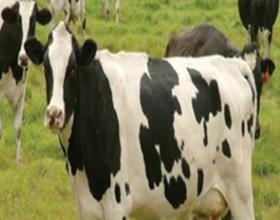
Fat cow syndrome usually occurs in heavily fattened dairy cows within the first week after calving. Often these cows have an extended dry period due to delayed gestation, resulting in long intervals between calving and pregnancy. It is referred to as a syndrome because it is associated with a variety of other calving disorders such as milk paresis, ketosis, abomause displacement, retained placenta, endometritis (uterine infection), and mastitis.
Symptoms
The disease occurs only in very fatty—fatty—cows. The main symptoms are loss of appetite, appearance of lack of vitality, and a weakened immune system after calving. Clinically, cows may have severe ketosis. Sometimes ketosis may occur within 7 to 10 days after calving. In addition to retaining the placenta, a delay in the onset of sexual estrus after calving may occur.
Causes
Feeding cows with high energy per meal promotes this phenomenon. As a result, cows will be very fat during calving. The mobilization of bodily reserves leads to fat accumulation in the liver, muscle tissues, and kidneys.

Treatment
Animals with fatty liver syndrome often do not respond to any specific treatment. Cows should be treated based on symptoms. Milk paresis should be treated with calcium solution and ketosis containing propylene glycol and dextrose. Consult your veterinarian for more information.
Prevention - It is much easier to prevent than to treat fat cow syndrome. Cow overweight should be avoided. Cows should be fed in groups at the end of lactation and during the drying phase, and their feed intake should be monitored. In addition, it is important to regularly monitor the cow's physical condition. Reducing energy feeds, such as corn and silage-based corn from the ration, after day 200 of lactation and during the first month of the drying period. Also, at this stage, foods with high energy content should be replaced with foods with lower energy value.
Available in: SHQ, ENG, SRB