
Disease transmission (transmission)
The virus is mainly transmitted mechanically through vector insects (mosquitoes, flies, ticks, etc.) or by contaminated needles. Some of these can potentially come through the wind or even inside vehicles. Certain vectors vary between countries and have been studied very little. Once they reach the new area, they spread very quickly during periods of flies p.sh during the summer and autumn months when the weather is humid and warm. The disease can also spread through contaminated food, water, and equipment. The virus is not transmitted to humans.
Clinical signs - diagnosis
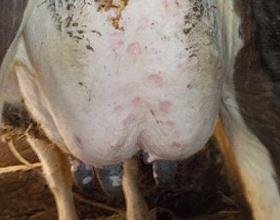
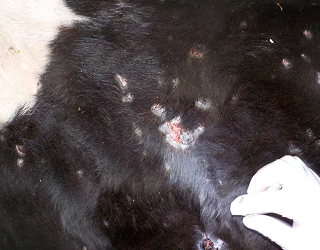
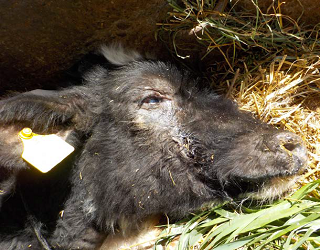
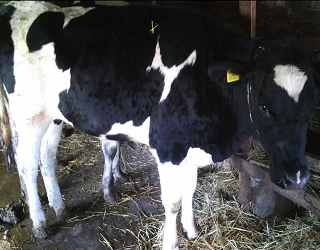
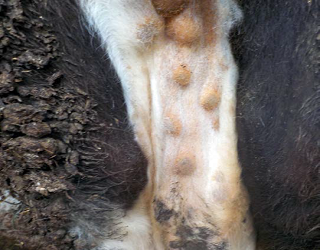
Skin lumps measuring 5-50 mm (round in shape) that appear on the skin, usually appear on the scalp, neck, breasts, genitals, limbs, and perineum 2 days after the onset of fever. The lumps can cover the entire body or only some of them may appear. The lumps may disappear or ulcerate, leaving scars.
Clinical diagnosis is confirmed by laboratory analysis of blood samples or tissue samples from skin lesions. Treatment: There is no treatment for skin nodular disease (LSD).
Disease Prevention
It is difficult to stop cattle attacks from vectors (flies, etc.) if infection exists within the area. The risk increases the likelihood that infections will be transmitted between locations. Preventive measures can improve the herd's level of protection against Skin Lump Disease (LSD) and other infectious diseases.
Biosafety Measures
Implementation of biosecurity measures:
- Since animals and vehicles can carry live vectors (flies, mosquitoes, etc.) between different areas, avoid entering or opening such vehicles inside or near livestock properties until disinfection with approved products is carried out
- Protect animals from insects (p.sh treatment with approved repellents, remove and place animals in places where there is no rain or fewer flies)
- Change needles during animal handling
General measures to reduce the risk of LSD and other diseases:
- Installation of barriers for foot disinfection at the entrance of the stable
- Clothes and Shoes for Disposable Visitors
- Disinfection and disinsection of vehicles before and after movement
Preventive measures:
Avoid:- Contacts between animals of different herds (p.sh in pastures)
- Pastures where there are many flies
- Exchange of animals, equipment, vehicles, and personnel with other farms
- Awareness: your herd may be at risk. It is important to check all animals. Any suspicion of LSD should be reported immediately to the veterinarian or veterinary service
- Notification is essential to limit the further spread of the disease
Available in: SHQ, ENG, SRB