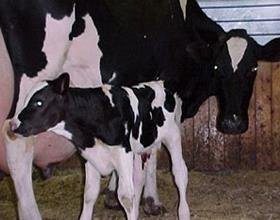
The 40-day period before and 60 days after calving is very important, and cows are much more sensitive at this time. During this period, it requires special care because it goes through many changes that can affect health, fertility, and productivity. Stresses that may occur during this time should not be underestimated.
When cows go through these 100 days, before and after calving without any problems, the cow will produce more milk during the lactation period, there will be fewer problems for herself and the farmer, and there will be no issues with future breeding.
Preparation for calving
To minimize stress as much as possible, cows should not be separated from the herd during the calving period. It is best if the calving pen is as large as possible, with straw bedding or other soft bedding material, so that the cow has visual contact with the other herd during calving.
Easy calvings
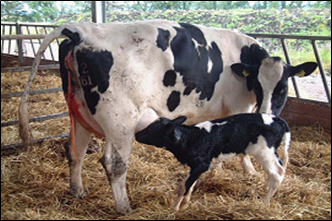
Heavy calves or large calves have a negative impact on the cow's health and take more time for the cow to recover. Heavy calves or large calves cause difficult calving, with a lot of stress, pain, a greater risk of infections, and other problems such as placental retention. Large calves can be caused by the genetics of the cow and the bull, not balancing the rations during the drying period, or a combination of both.
After birth
After the calf is born, we must ensure that the calf is breathing freely. Check the heartbeat regularly and check if it is breathing normally. When the calf shows no reaction, the calf's head should be moistened with cold water to activate it.
To remove mucus from the lungs, calves can be hung upside down. I move the front legs to the sides to massage the heart. When the calf is breathing on its own, dry the calf or let the cow dry it on its own. It is recommended that the calf leaves the mother within 24 hours. Make sure the calf has a warm environment during cold weather. When temperatures are below 10°C, calves need warmth to ensure they can dry without any problems. If the ambient temperature is low, then the calf's temperature will drop very quickly, which negatively affects the calf's health.
Keeping calves for breeding
Available in: SHQ, ENG, SRB