
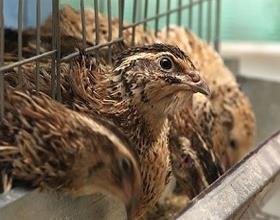
Japanese quails are birds that can live in small cages, open spaces, and are easy to keep. They can be affected by various poultry diseases but in most cases are resistant to diseases. The Japanese quail enters production from day 42 but reaches full production from day 50. With good care, they can produce up to 200 eggs in the first year. Their lifespan is 2 to 2.5 years.
The weight of the grouse in males ranges around 100 – 140 grams, while females are heavier at 120 – 160 grams.
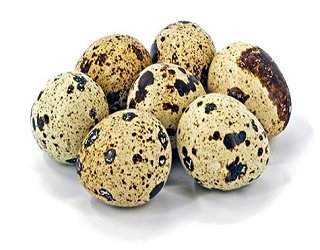
Quail breeding
According to studies, if one male is placed with two or three females, then the fertility of the eggs is high. When the quails are kept in cages, there must be one male and three females to avoid fighting males. Fertility decreases with the old quails.Egg storage and pre-incubation
To successfully hatch eggs, care must be taken in their storage. Eggs should be collected several times a day and stored at a temperature of 15 °C. Hatching eggs should not be stored in the refrigerator. Also, broken eggs should be removed. The best results are achieved when eggs have not been kept for more than a week before being placed in the hatching incubator. A contaminated incubator or, if it is contaminated, the hatching site is a source of diseases. For this reason, after each hatching, the incubators must be cleaned and disinfected.
Only clean eggs for hatching should be placed in the incubator. The eggs should be dried and cleaned with soft paper; eggs placed in the incubator should not be washed.Incubation and hatching of eggs
The incubation time for quail eggs is 17–18 days, which also depends on the incubation procedures. To succeed in hatching the eggs, we must have control over the incubator and follow the recommendations of the incubator manufacturer.Care for young birds
Young birds are small, and caring for them and controlling their temperature are very important. They need additional energy 3-4 weeks after hatching. The installation of heaters in the facility should be done 30-46 cm above the floor of the facility. Measure the temperature at bird level – on the floor and keep it at 35°C during the first week. Every week the temperature should be lowered to about 3.5°C until the birds are covered with feathers – in weeks 3–4.

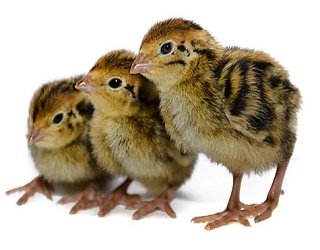
We also need to be careful with the birds so they don't fall into the water drinking containers during the first week because they are very small. It is advisable to use special water drinkers for birds. It is very important to always provide you with clean water.
It is very important that the bedding is dry. Wood shavings or some other clean material can be used. The thickness of the bedding should be 5–10 cm and covered with paper during the first week after the birds enter the farm. Old newspapers can be used but are not ideal; the best paper used in the kitchen is for covering tables. The birds should feel comfortable in order to be encouraged to eat food. If the birds are kept in cages during the first week, then the cages should be covered with thicker paper to prevent damage to their legs
Cannibalism, fighting, or damage to the chicks can occur when the quails are kept in cages. In these cases, we can cut the beak in the second week of the birds. Another way to prevent quail chewing is to reduce the number of birds in the cage, decrease the light intensity, and increase the amount of fiber or sand feed.
Equipment and FacilityQuails do not require specific living conditions. The place where quails are kept must have good ventilation, be insulated, and free of air drafts. Care must also be taken against cats, mice, and birds of prey. The facility must be designed to provide conditions for the birds, easy access to food and water, and be easy to clean and maintain.
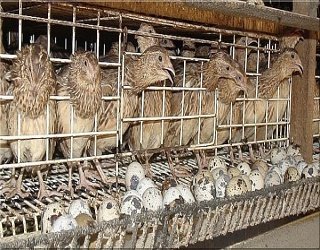
The cages holding the cages must be well designed to avoid injuring your feet; the distance between the wires of the floor cage should be 7 mm.Quails at the time of egg production should be provided with 145 cm² of floor/quail space. The cage size of 13x20 cm is sufficient to hold two quails. The cage height should be 20–25 cm to prevent the flight of quails and damage to the wings.
Adult quails should be provided with 1.25 – 2.5 cm of space for food/quail. They should always have food available.The water space per quail is 0.6 cm/depth. One drinking water can serve 5 birds.
Japanese partridges require 14 to 18 hours of light per day to maintain maximum productivity and fertility. This means that additional light should be provided during the shortest daylight periods in autumn, winter, and spring. Males who are not kept for breeding but only for meat should be provided with only 8 hours of light per day and at a lower intensity. This is enough to prevent sexual maturation and to waste energy during the fight. Increase in these conditions is greater.

Food requirements
In the first six weeks, birds should be fed a concentrate containing 25% protein, 12.6 MJ of energy/kg, and 1% calcium. If the diet contains less protein, then bird growth is slower. Portions for quails should contain 24% protein, 11.7 MJ energy/kg, and 2.5–3.0% calcium. At high temperatures, when quails consume less food, the amount of calcium in the ration should increase to 3.5%.
Mature quails consume about 14 g – 18 g of food per day. It is very important that food is kept fresh and stored in places without moisture. Food stored for more than 8 weeks can lose its nutritional value and the denaturation of proteins, especially during the summer months.
Before birds are placed on the farm in free housing systems, additional feed must be provided on the papers placed on the floor. After a week, the paper feed on the floor should be removed because the birds are accustomed to eating in special feeding areas.
Quails, just like chickens kept for profit purposes, must meet all their requirements and be treated with great care. Environmental conditions should be adapted to the needs of quails according to their age. Quality feed and clean water must be provided to them at all times.
Disease prevention and control
Biosafety on the farm is the best way to prevent diseases. Equipment such as cages, feeding equipment, and water must be cleaned and disinfected every time. A special disinfectant must be used. Sick birds should be isolated from other birds. Dead birds must be immediately removed from the farm or cage. Japanese quails are birds that can live in small cages, open spaces, and are easy to keep. They can be affected by various chicken diseases but in most cases are resistant to diseases. Japanese quails enter production from day 42 but reach full production from day 50. With proper care, they can produce up to 200 eggs in the first year. Their lifespan is 2 to 2.5 years.
The weight of the grouse in males ranges around 100 – 140 grams, while females are heavier at 120 – 160 grams.
Quail breeding
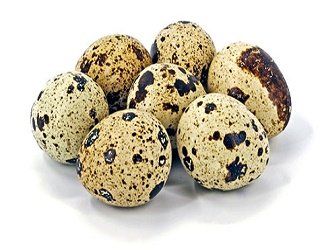
According to studies, if one male is placed with two or three females, then the fertility of the eggs is high. When the quails are kept in cages, there must be one male and three females to avoid fighting males. Fertility decreases with the old quails.Egg storage and pre-incubation
To successfully hatch eggs, care must be taken in their storage. Eggs should be collected several times a day and stored at a temperature of 15 °C. Hatching eggs should not be stored in the refrigerator. Also, broken eggs should be removed. The best results are achieved when eggs have not been kept for more than a week before being placed in the hatching incubator. A contaminated incubator or, if it is contaminated, the hatching site is a source of diseases. For this reason, after each hatching, the incubators must be cleaned and disinfected.
Only clean eggs for hatching should be placed in the incubator. The eggs should be dried and cleaned with soft paper; eggs placed in the incubator should not be washed.Incubation and hatching of eggs
The incubation time for quail eggs is 17–18 days, which also depends on the incubation procedures. To succeed in hatching the eggs, we must have control over the incubator and follow the recommendations of the incubator manufacturer.Care for young birds
Young birds are small, and caring for them and controlling their temperature are very important. They need additional energy 3-4 weeks after hatching. The installation of heaters in the facility should be done 30-46 cm above the floor of the facility. Measure the temperature at bird level – on the floor and keep it at 35°C during the first week. Every week the temperature should be lowered to about 3.5°C until the birds are covered with feathers – in weeks 3–4.
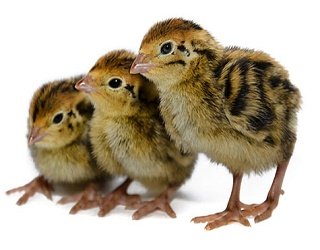
We also need to be careful with the birds so they don't fall into the water drinking containers during the first week because they are very small. It is advisable to use special water drinkers for birds. It is very important to always provide you with clean water.
It is very important that the bedding is dry. Wood shavings or some other clean material can be used. The thickness of the bedding should be 5–10 cm and covered with paper during the first week after the birds enter the farm. Old newspapers can be used but are not ideal; the best paper used in the kitchen is for covering tables. The birds should feel comfortable in order to be encouraged to eat food. If the birds are kept in cages during the first week, then the cages should be covered with thicker paper to prevent damage to their legs
Cannibalism, fighting, or damage to the chicks can occur when the quails are kept in cages. In these cases, we can cut the beak in the second week of the birds. Another way to prevent quail chewing is to reduce the number of birds in the cage, decrease the light intensity, and increase the amount of fiber or sand feed.
Equipment and FacilityQuails do not require specific living conditions. The place where quails are kept must have good ventilation, be insulated, and free of air drafts. Care must also be taken against cats, mice, and birds of prey. The facility must be designed to provide conditions for the birds, easy access to food and water, and be easy to clean and maintain.
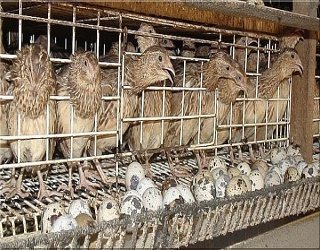
The cages holding the cages must be well designed to avoid injuring your feet; the distance between the wires of the floor cage should be 7 mm.Quails at the time of egg production should be provided with 145 cm² of floor/quail space. The cage size of 13x20 cm is sufficient to hold two quails. The cage height should be 20–25 cm to prevent the flight of quails and damage to the wings.
Adult quails should be provided with 1.25 – 2.5 cm of space for food/quail. They should always have food available.The water space per quail is 0.6 cm/depth. One drinking water can serve 5 birds.
Japanese partridges require 14 to 18 hours of light per day to maintain maximum productivity and fertility. This means that additional light should be provided during the shortest daylight periods in autumn, winter, and spring. Males who are not kept for breeding but only for meat should be provided with only 8 hours of light per day and at a lower intensity. This is enough to prevent sexual maturation and to waste energy during the fight. Increase in these conditions is greater.
Food requirements
In the first six weeks, birds should be fed a concentrate containing 25% protein, 12.6 MJ of energy/kg, and 1% calcium. If the diet contains less protein, then bird growth is slower. Portions for quails should contain 24% protein, 11.7 MJ energy/kg, and 2.5–3.0% calcium. At high temperatures, when quails consume less food, the amount of calcium in the ration should increase to 3.5%.
Mature quails consume about 14 g – 18 g of food per day. It is very important that food is kept fresh and stored in places without moisture. Food stored for more than 8 weeks can lose its nutritional value and the denaturation of proteins, especially during the summer months.
Before birds are placed on the farm in free housing systems, additional feed must be provided on the papers placed on the floor. After a week, the paper feed on the floor should be removed because the birds are accustomed to eating in special feeding areas.
Quails, just like chickens kept for profit purposes, must meet all their requirements and be treated with great care. Environmental conditions should be adapted to the needs of quails according to their age. Quality feed and clean water must be provided to them at all times.
Disease prevention and control
Biosafety on the farm is the best way to prevent diseases. Equipment such as cages, feeding equipment, and water must be cleaned and disinfected every time. Special disinfectants must be used. Sick birds should be isolated from other birds. Dead birds should be immediately removed from the farm or cage.
Available in: SHQ, ENG, SRB