
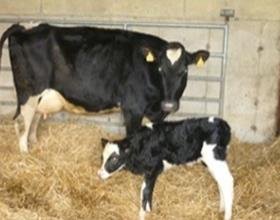
It is essential that the cow calving area is cool, clean, and well-ventilated. The calving area must be cleaned and disinfected after each calving. It is not recommended to move the pregnant cow to the calving site shortly before calving. The cow needs time to adapt to the new environment. If the cow is moved to special pens, it is necessary for the cow to have visual contact with the other cows. When the calving takes place outdoors in an open space, the shelter must be protected from sunlight, wind, and rain. Under all these circumstances, drafts must be avoided.
The breeding process
To minimize the risk of infection where cows are calving, it is essential to keep the calving area very clean. Bacteria can cause infections due to a weakened immune system in the calving. Infection of the vagina and uterus during and after calving can result in a "uterine infection." For these reasons, the people who care for or assist the cows in farrowing must maintain the highest level of hygiene. The same applies to equipment used in calving, such as the calving rope and good lubricants. Never use soaps or other disinfectants as lubricants.
Indicators of calving symptoms vary from cow to cow; for example, cows become restless and their udders swell. Swelling of the vulva and loosening of the ligaments is another sign. In some cases, the nipples leak; in these cases, it is recommended to milk a little to relieve pressure from the udder and to disinfect the nipples with appropriate equipment and disinfectants.
In most cases, cows do not need assistance, but nonetheless, good care and observation are always necessary during the calving process to provide direct support to the calf immediately after birth. Any assistance provided must be professional, and intervention should only be done in cases where there are difficulties in calving. Contact a veterinarian if you suspect that the calving is abnormal or that the calving process is difficult.
Using force hastily during the calving process can cause injuries to the cow. The calving process should be completed smoothly to allow the cow to recover quickly and regain its strength. After calving, the cow should be provided with clean, warm water and a larger, high-quality diet or dried beetroot sugar to stimulate appetite.
The post-calving period
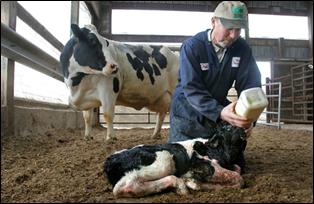

If mucus is suspected in the bronchial tube, it is recommended that the calf be lifted immediately after birth from the hind legs for a short moment to help the mucus flow. Immediately after the calf's birth, the navel should be disinfected with an iodine solution. It is very necessary to give the calf colostrum as soon as possible. For this reason, it is necessary to give the calf at least 2 liters of colostrum as soon as possible after calving.
After a few hours, the calf should be placed in the individual pen. If the cow is properly prepared before calving, the risk of complications and postpartum disorders decreases, especially if the calves are kept calmly, the environment is clean, and there is no moisture.
All farm management activities should focus on preventing and reducing stress on cows; also, maintaining the highest possible hygiene ensures good conditions for both the cow and the calf.
The Reproduction
The reproductive tract takes on average about 25 to 30 days to return to a normal state. In general, the estrous cycle can begin two weeks after calving. This period can be longer if cows are assisted with calving, retaining the placenta after birth, or developing a uterine infection.
To prevent any anomalies after calving, cows should be closely monitored during this period.
If necessary, the veterinarian should intervene for treatment and prepare the cow for the next insemination. The next incubation should be done no later than 50–75 days. The main goal is to maintain the health and reproduction of the cow, which together contribute to achieving the highest possible milk production.
Seed selection for easy insemination in heifers is important, but also for older cows that have had problems in previous calvings. Keeping records on brood performance will help the farmer choose seed for breeding and for the right breeds.
Available in: SHQ, ENG, SRB