
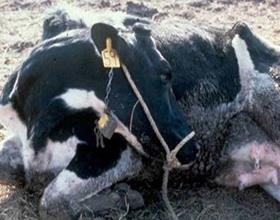
Symptoms
Clinically, ketosis is characterized by loss of appetite, weakness in the cow, and in some cases, constipation with a distinctive acetone odor during breathing. Occasionally, the cow loses balance due to general weakness. Milk production is low with weight loss. The best diagnostic test is to check for acetone in urine, milk, or blood. If the urine test is negative, ketosis is ruled out. The milk or blood test represents a more precise action on the degree of ketosis. Ask your veterinarian for more advice.
Causes
Blood sugar levels are low, and blood ketones are high when cows suffer from ketosis. When blood sugar is low, the body tends to compensate for fat mobilization from body reserves. In short, the mobilization of increased fat is not at the same rate as ketone production in the liver, and this is related to a decrease in blood glucose. The clinical symptoms of ketosis are certainly caused by the toxic effects of high levels of ketones in the blood. The ketosis incident is more common in cows that are overweight during the late lactation phase and the dry period. The intensity of ketosis depends on the liver's ability to absorb free fatty acids mobilized by body fat. The longer the disease persists, the harder it is to cure due to changes in the liver.
Treatment
In affected cows, treatment can be used to raise blood sugar levels, such as oral administration of propylene glycol, and if necessary, intravenous glucose administration and intramuscular injection of glucocorticoids. Propylene glycol has advantages as an external source of glucose and can be gradually increased and continued until the cow recovers.
Prevention
In general, cows should have a desirable body weight during the drying phase and not be too fat before calving. During the drying period, cows should be fed low energy per ration to prevent milk paresis and with desirable amounts of minerals and vitamins to maintain the cow's health.
Available in: SHQ, ENG, SRB