
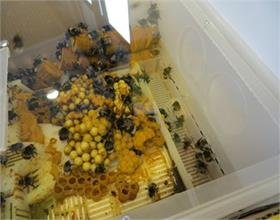
Pollination management is a challenge in agriculture, especially horticulture, because it protects and encourages the presence of pollinators and the inclusion of additional pollination methods. One of the well-known pollinators is the honeybee. Regarding their role as pollinators, it is reported that only in California orchards about one million bees are utilized and that yields increase for various fruits and vegetables by 20–30%.
But the main purpose of this article is that, besides the honeybee, in developed European countries the non-honey-producing bee is massively exploited.
The pollinating effect of honeybees and non-honeybees is indisputable. Both species, by visiting the flowers of various trees and vegetables, feed on their nectar, while collecting pollen and, while walking among other flowers, deposit it on the stigma of their ovary.
In this article, we will focus more on the feeders that have non-honey-pollinating bees compared to honeybees and other pollinating methods.
The history of the use of various pollinators
ADVANTAGES OF THE NON-HONEY-PRODUCING POLLINATING BEE (BUMBLEBEES)
- Each pollinating bee transfers more pollen to the ovary stigma compared to other pollinators such as common honeybees. In many cultures, this results in: the best fruit and a very high percentage of first-class fruits during the harvest period.
- A pollinating bee also visits more flowers per hour than any other pollinator, including the honeybee
- Pollinating bees (bumblebees) have tolerance to unsuitable climatic conditions, low temperatures, and low-light conditions. They also fly in low temperatures like 8°C, in light rainfall, wind conditions, or in weather with dense clouds. In general, honeybees do not perform their functional activities well in greenhouses and tunnels. They are generally less effective or inadequate during periods of low temperatures (below 15°C) and cloudy weather.
- Mechanical pollination is a wasteful waste of time and difficult to manage.
- Hormones often result in low quality fruits that are unattractive for sale and have fewer seeds in the fruit.
- Pollinating bees (bumblebees) are also active in cultures in enclosed spaces: under barber nets, in plastic tunnels, a condition in which other pollinators fail.
- Pollinating bees (bumblebees) easily move their colonies during flowering on different crops at different times based on which each plant blooms first.
- There is the possibility of gathering pollinating bees (bumblebees), and their closure can also be done in the middle of the day, temporarily or permanently moving the bee pens elsewhere, for example during crop spraying, or if you want to remove fruit in larger numbers.
- Pollinating bees (bumblebees) are never aggressive, which means greater security for you and the employees. In general, they are peaceful insects and will only sting when they feel their nests are being destroyed.
- Pollinating bees (bumblebees) can work and perform activities very well together with honeybees
- The use of bee pollinators (bumblebees) means saving labor compared to other pollination techniques
Return on investment
Pollinating bees (bumblebees) work and function very well, which is reflected in the excellent improvement of pollination results. As a result, yield increases, fruits are usually larger, and the number of failed fruits decreases.
Since the fruits have formed and developed well, post-harvest losses are also reduced: an important economic aspect. Depending on the location, crop, variety, and cultivation conditions, the results can be higher or lower than the averages presented.
Tomatoes have the highest yields in greenhouses at 25–45%, a higher fruit weight of 20–65%, more seeds per fruit than fruits with other forms of pollination, many vitamins, etc.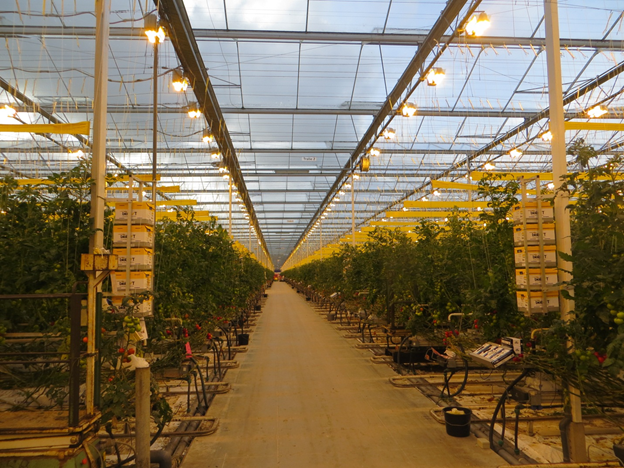
Tomatoes, in open fields, yield more up to 30%.
Sweet peppers have an extra weight in fruits up to 30%, contain more seeds, a better shape, and a thinner pericarp.
A colony of pollinating bees (bumblebees) is sufficient to pollinate a cultivated area of 3000 to 5000 m² over 6–8 weeks
Strawberries, in open fields up to 20% heavier fruit, and up to 3% fewer failed fruits
Extra weight of apple fruits up to 20% higher.
Blueberries yield 17 to 32% extra thanks to the better quality of the fruits (larger fruits).
Pollinating bees (bumblebees) are excellent during periods when honeybees are inactive: in winter and spring, during cold weather and gloomy weather.
Available in: SHQ, ENG, SRB